
April 6, 2026
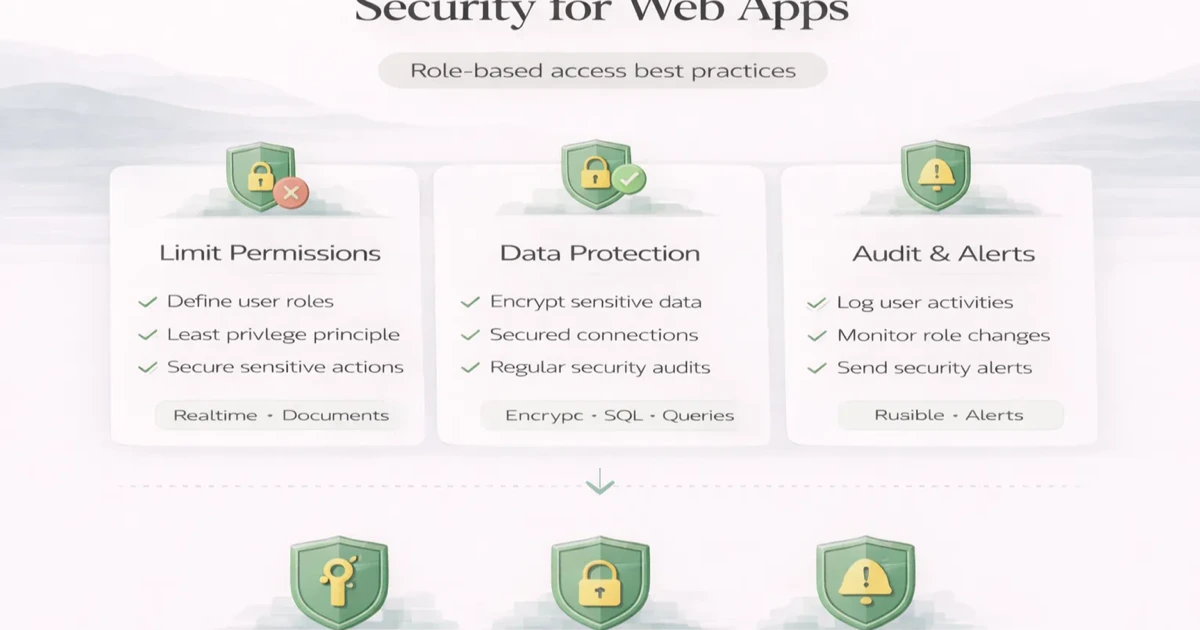
Security for Web Apps: Role-based access best practices
Security for web apps guide with role-based access best practices, common mistakes, and safer implementation advice for business apps in 2026.
Read articleApril 6, 2026
Best database for business apps: Firestore vs Postgres vs Mongo explained for data models, scaling, workflow fit, and long-term app needs in 2026.
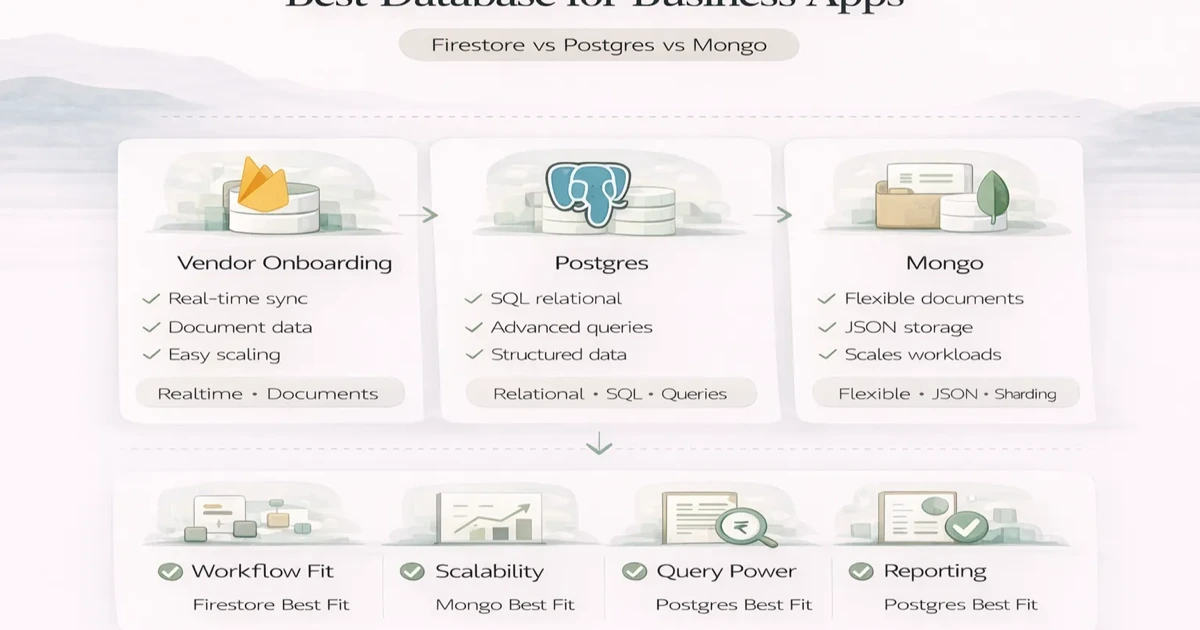
There is no single best database for every business app. The better question is: which database fits the data model, workflow complexity, reporting needs, and long-term maintenance style of the app you are building?
Firestore, Postgres, and MongoDB are all useful in the right context, but they solve different problems well. If you choose mainly on popularity or speed of first development, you can end up with reporting pain, data-shape issues, or avoidable migration work later.
This guide compares Firestore, Postgres, and MongoDB in practical business-app terms so teams can choose based on workflow fit, not hype.
Short version:
Postgres when your app has structured relational data, reporting, approvals, finance flow, or strong transactional integrity needsFirestore when you want fast real-time app development with simpler hierarchical data and managed scalingMongoDB when document-shaped data is a natural fit and schema flexibility matters more than strict relational modelingFor many serious business apps, Postgres is the safest default because:
That does not make Firestore or Mongo wrong. It just means you should choose them for the right reasons.
Firestore is a fully managed NoSQL database from Firebase. It is especially attractive when teams want:
It works well for:
Watchouts:
Postgres is usually the strongest fit when your business app depends on:
It works especially well for:
Postgres tends to age well because it handles structured complexity without forcing strange workarounds later.
MongoDB works well when:
It can be a strong choice for:
Watchouts:
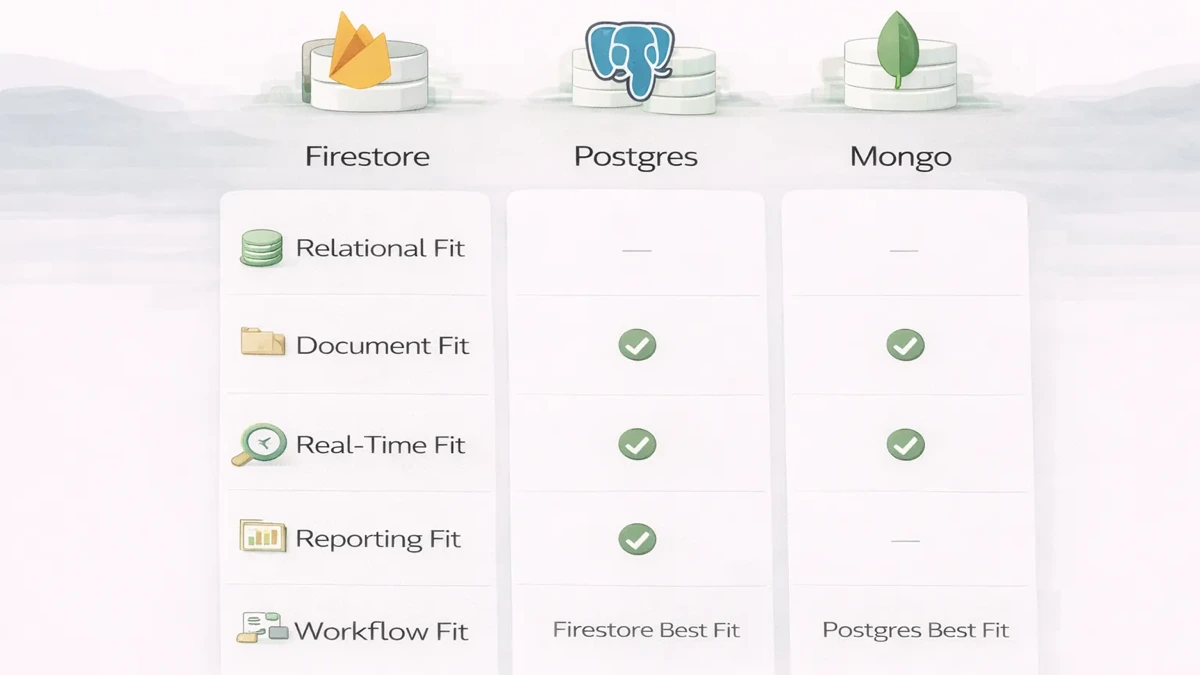
Postgres is usually the strongest fit because relationships and reporting matter.
Firestore can be a strong fit if the data model is simple enough and you want managed speed.
MongoDB can be a good fit when document flexibility is genuinely useful.
Again, Postgres is usually the safer long-term choice.
The database choice affects:
Practical build impact:
For many business apps, spending a little more time choosing the right data model saves far more time later than picking the fastest-looking option now.
If your app will carry approvals, billing, stock, reports, and role-based workflows, do not choose the database casually. The data model decision shapes reporting quality, maintenance cost, and future complexity more than many teams expect.
For many ERP and CRM workflows, Postgres is usually the strongest fit because structured relationships and reporting matter.
Yes, if the app benefits from managed real-time development and the data model is not heavily relational.
Not generally. It is better only when the document model fits the use case better.
No. You should also think about reporting, permissions, future modules, and maintenance.
Postgres is often the safest default.
Yes, but database migrations become expensive once data volume and app logic grow.
No. Even flexible databases still need disciplined data design.
Data model fit, query patterns, reporting needs, and workflow complexity matter more.
If you want help choosing a database around reporting, roles, transactions, and long-term architecture, define your data model and workflow complexity first, then choose the database that fits that reality.
Related Articles
April 6, 2026
Security for web apps guide with role-based access best practices, common mistakes, and safer implementation advice for business apps in 2026.
Read article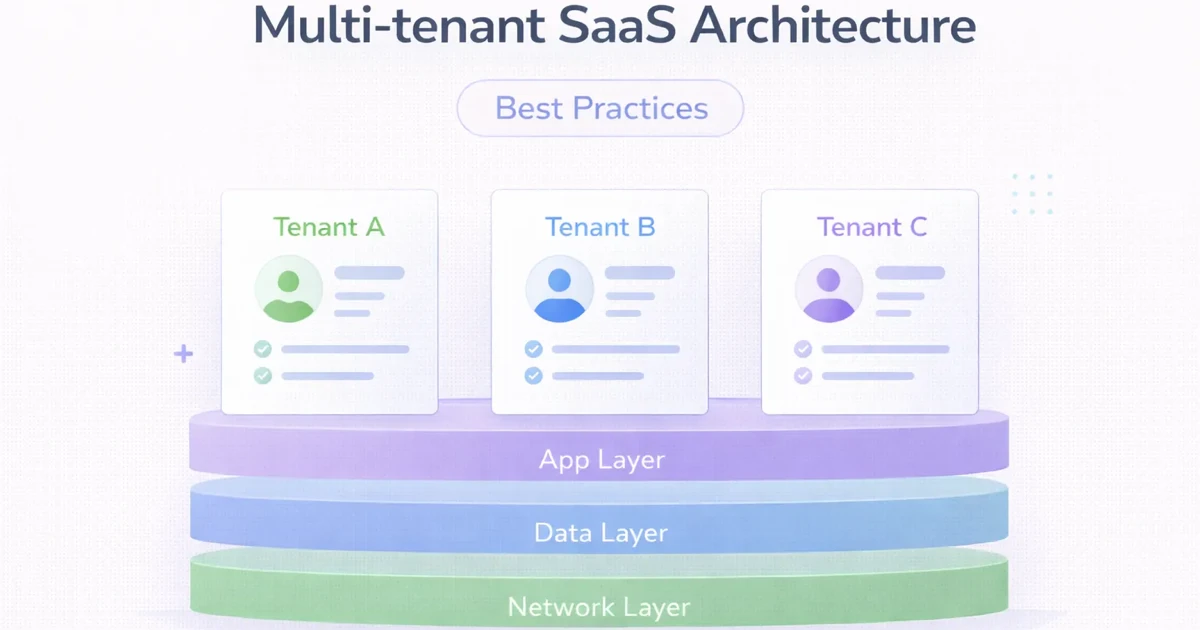
March 31, 2026
Multi-tenant SaaS architecture best practices for 2026: tenancy models, isolation, billing, observability, and what to decide early.
Read article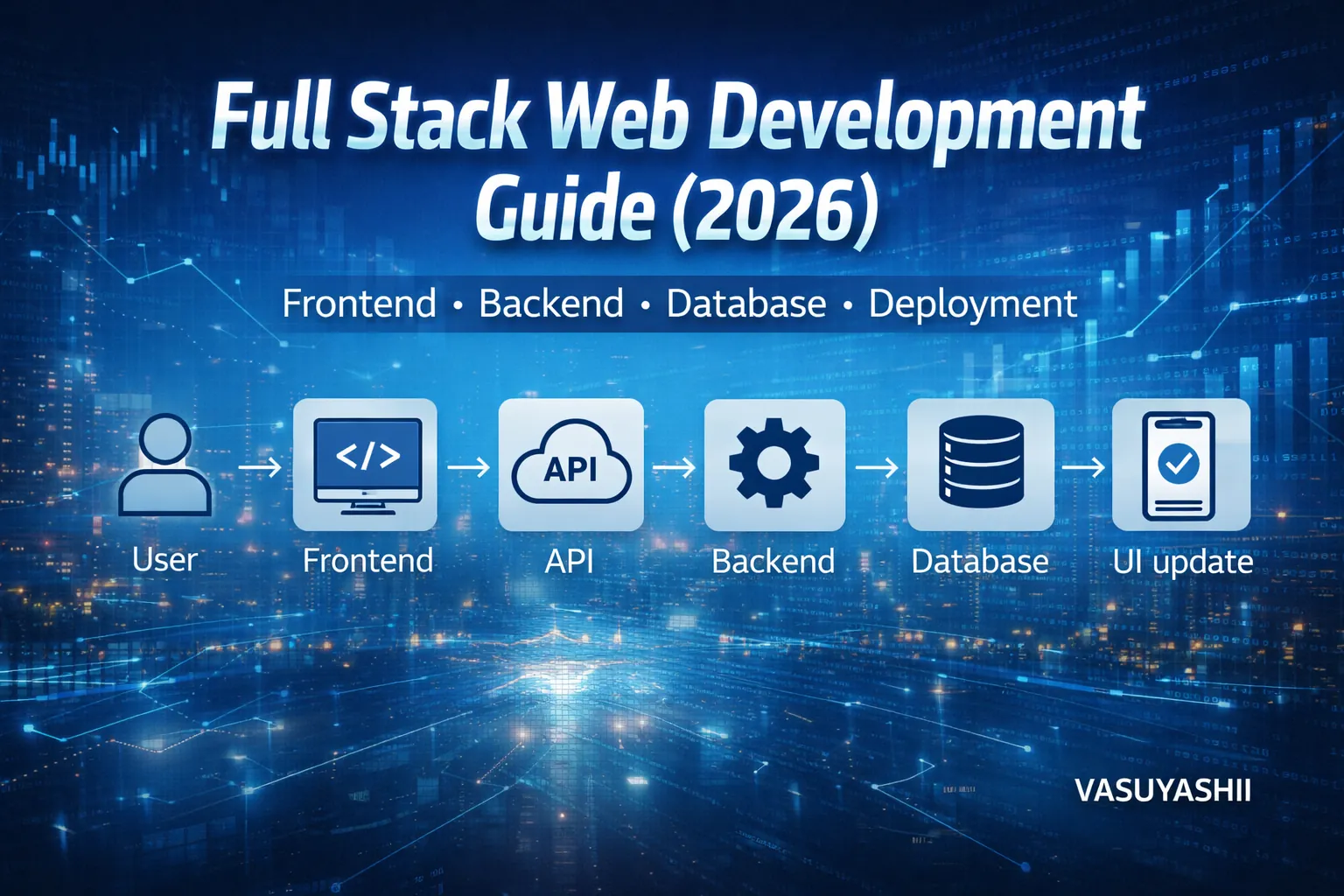
March 17, 2026
Full stack web development guide for 2026: frontend + backend + database + deployment. Learn the best tech stack, roadmap, costs in India, and how businesses build scalable web apps.
Read article