
April 4, 2026
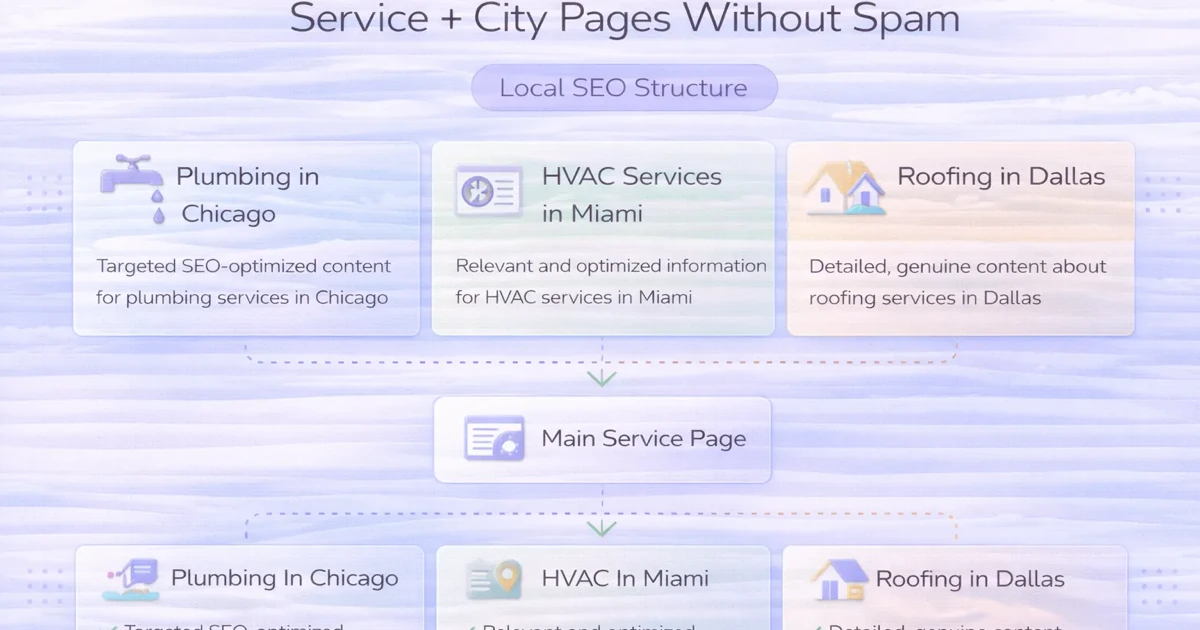
How to Create “Service + City” Pages Without Spam
How to create service plus city pages without spam: avoid doorway abuse, build real local value, and structure pages safely in 2026.
Read articleApril 6, 2026
How to create portfolio pages that rank with better SEO, proof, trust signals, and page structure for service businesses in 2026.
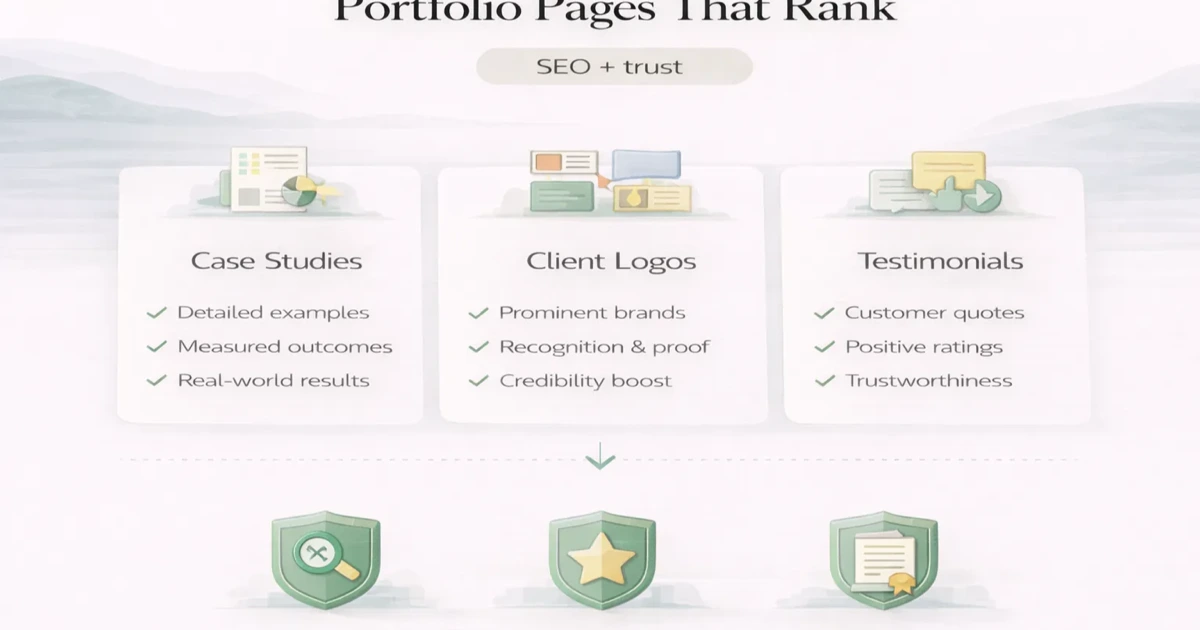
Many company portfolios look fine visually but perform weakly in search and conversion. The reason is simple: they are treated like image galleries instead of proof pages. If a portfolio page does not explain the work clearly, connect it to real service intent, and build trust properly, it rarely helps much beyond surface presentation.
A strong portfolio page should do two jobs together. It should help search engines understand the page topic, and it should help potential clients trust the business faster. That means structure matters, proof matters, internal links matter, and clarity matters.
This guide explains how to build portfolio pages that support both SEO and trust in 2026.
A strong portfolio page should include:
The goal is not just to show work. The goal is to prove relevance and capability.
The common problems are:
These pages may look nice, but they do not help much in search or trust-building.
Use a title that reflects the actual project and service context.
Explain:
List the actual work:
If you have metrics, use them. If not, describe operational or UX improvements honestly.
This helps both users and search engines connect the portfolio page to your actual offer.
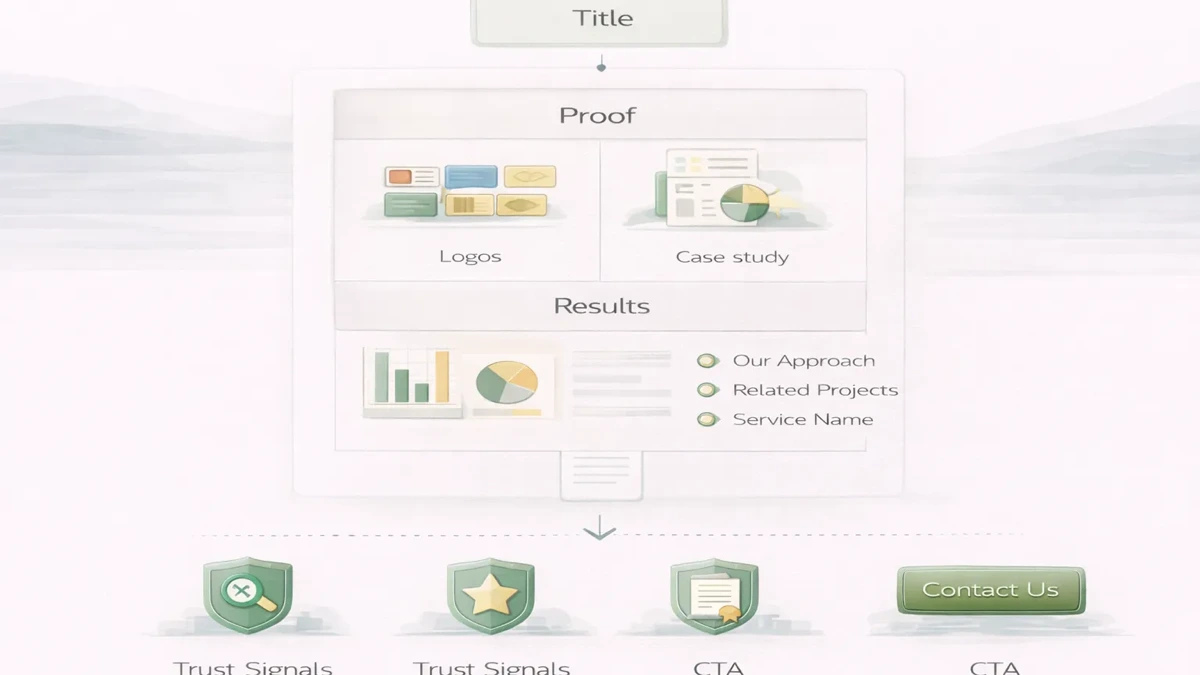
These are the basics that usually improve portfolio-page performance:
Do not turn portfolio pages into keyword-stuffed service pages. Keep them proof-driven.
Useful trust elements include:
The key is specific proof, not generic praise.
Typical portfolio-page build pricing:
₹3,000 to ₹8,000₹8,000 to ₹18,000₹18,000 to ₹35,000+Typical timeline:
1 to 2 days: simple page2 to 5 days: stronger SEO plus trust page1 to 2 weeks: deeper case-study formatMain cost drivers:
If your portfolio pages are mostly visual and light on proof, you are likely underusing one of the strongest trust assets on the website. A better structure can help both ranking and conversion quality.
Yes, if they have useful context, proof, relevant internal links, and clear page structure.
Only when the project has enough proof and relevance to justify a dedicated page.
No. Screenshots need supporting explanation.
Yes. That helps both user flow and SEO relevance.
Both matter. A good portfolio page should support both together.
Not always. But stronger projects should usually have deeper proof pages.
Yes. They often help buyers validate capability before contacting you.
Treating the page like a gallery instead of a proof-driven landing page.
If you want portfolio pages that support rankings and lead quality, start by defining project context, deliverables, outcome, and service relevance before focusing on visual presentation alone.
Related Articles
April 4, 2026
How to create service plus city pages without spam: avoid doorway abuse, build real local value, and structure pages safely in 2026.
Read article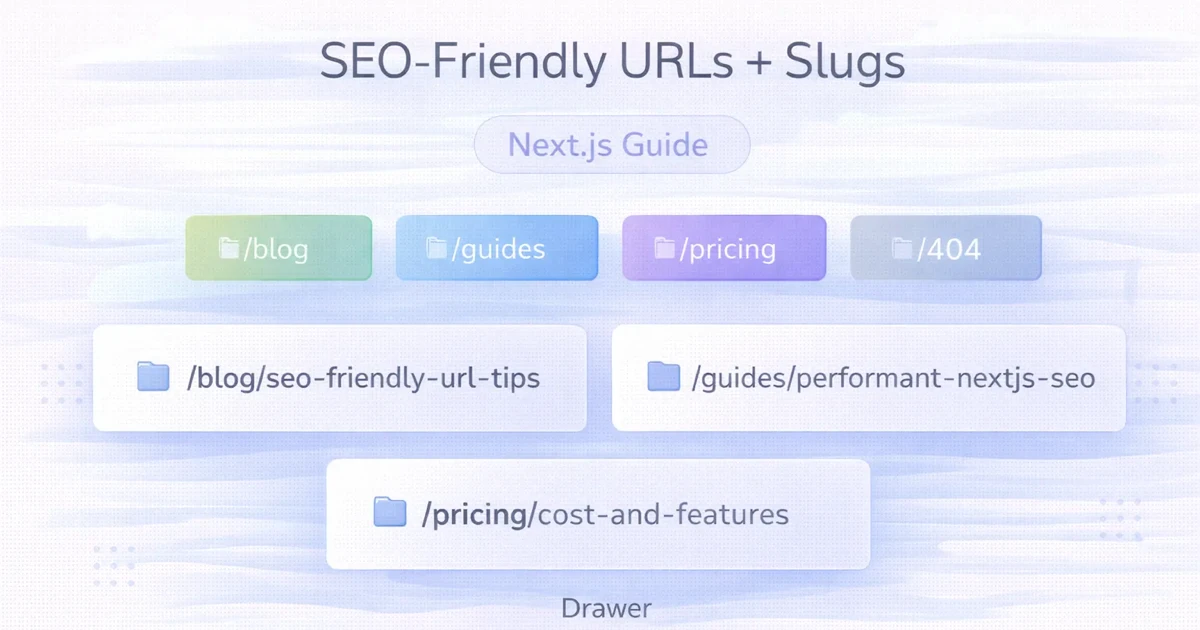
April 2, 2026
SEO-friendly URLs and slugs in Next.js: clean structure, canonical setup, redirects, and practical implementation guidance for 2026.
Read article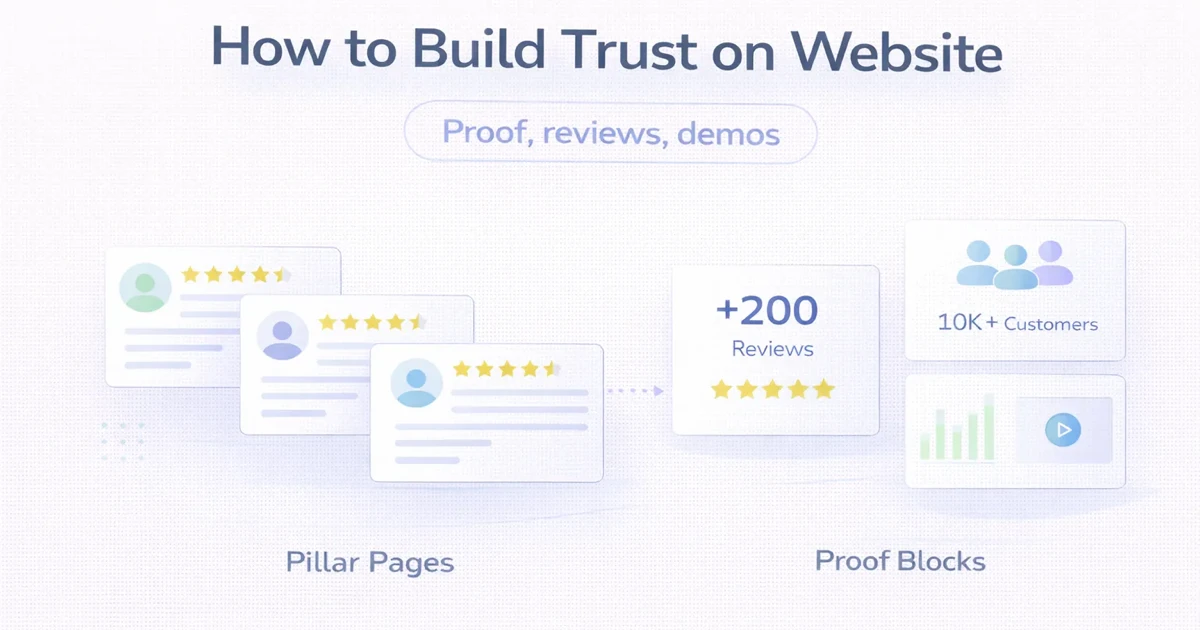
March 31, 2026
How to build trust on a website using proof, reviews, demos, FAQs, and clarity so visitors feel confident enough to enquire or buy.
Read article